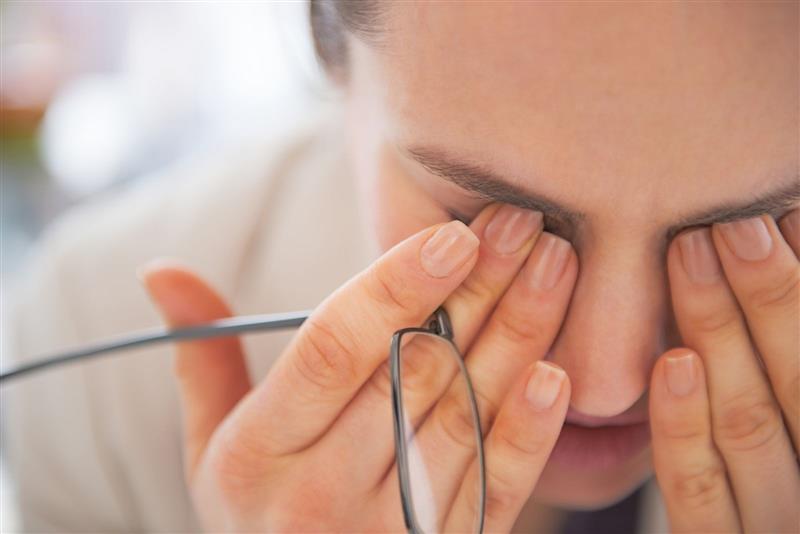
Post-Surgery Care After Glaucoma Procedures Glaucoma surgery helps lower intraocular pressure (IOP) to protect the optic nerve from further damage. However, surgery is only one part of treatment. Proper post-operative care is critical to ensure healing, maintain pressure control, and prevent complications. At Aloka Eye Clinic, patients receive structured follow-up and clear recovery guidance after every glaucoma procedure. Common Glaucoma Procedures Post-operative care may vary slightly depending on the type of surgery performed, such as: Trabeculectomy Glaucoma drainage device implantation Minimally Invasive Glaucoma Surgery (MIGS) Laser procedures like Selective Laser Trabeculoplasty (SLT) Your ophthalmologist will provide individualized instructions based on your procedure. What to Expect After Surgery 1. Blurred Vision Temporary blurred vision is common in the first few days to weeks. Vision typically stabilizes gradually. 2. Mild Discomfort You may experience: Mild eye irritation Foreign body sensation Light sensitivity Severe pain is not normal and should be reported immediately. 3. Redness Mild redness is common after glaucoma surgery and usually improves over time. Eye Drops After Surgery Post-operative medications are essential. These usually include: Antibiotic drops to prevent infection Steroid drops to reduce inflammation Sometimes pressure-lowering drops It is important to: Use drops exactly as prescribed Maintain proper hygiene during instillation Avoid missing doses Do not stop medications without medical advice. Activity Restrictions After Glaucoma Surgery For proper healing, patients are advised to: Avoid rubbing the eye Avoid heavy lifting or strenuous activity Avoid bending forward excessively Avoid swimming for several weeks Wear protective eyewear if advised Normal daily activities like walking and light household work are generally permitted unless otherwise instructed. Follow-Up Visits Are Critical Glaucoma surgery requires close monitoring. Early follow-up visits allow the doctor to: Measure intraocular pressure Check the surgical site Detect early complications Adjust medications if required In procedures like trabeculectomy, additional minor in-clinic interventions may sometimes be required to optimize surgical outcomes. Warning Signs After Glaucoma Surgery Seek immediate medical attention if you experience: Severe eye pain Sudden decrease in vision Persistent nausea or vomiting Increasing redness or discharge Sensitivity to light with worsening discomfort Early detection of complications improves outcomes. Long-Term Care After Glaucoma Surgery Glaucoma is a lifelong condition. Even after successful surgery: Regular monitoring is required Some patients may still need medications Periodic visual field and OCT testing remain important Surgery helps control pressure. It does not cure glaucoma or restore lost vision. Key Takeaway Post-surgery care plays a vital role in the success of glaucoma treatment. Strict adherence to medications, activity precautions, and scheduled follow-up visits helps protect long-term vision. At Aloka Eye Clinic, we provide comprehensive surgical care and structured post-operative monitoring to ensure the best possible outcomes. Book Your Post-Surgery Follow-Up If you have recently undergone glaucoma surgery or are scheduled for a procedure, timely follow-up is essential. 📅 Book your consultation today!📞 +971 45466379🌐 www.alokaeyeclinic.com Protect your vision with expert glaucoma care at Aloka Eye Clinic. Many patients enjoy clear vision after cataract surgery but later notice blurred vision again and worry whether their cataract has returned. This concern is very common and often leads to confusion and unnecessary anxiety. This blog explains whether cataracts can come back after surgery, what actually causes vision changes later on, and how these conditions are treated safely. Understanding What Happens During Cataract Surgery During cataract surgery, the cloudy natural lens of the eye is completely removed and replaced with a clear artificial lens called an intraocular lens. Because the natural lens is removed, a cataract itself cannot grow back. However, some patients Related Blogs 5 Things To Decide Before Undergoing Cataract Surgery Cataract is a common age-related eye condition in which the natural lens of the eye becomes cloudy, leading to blurred or hazy vision. Read More Pterygium: When Sunlight Starts Growing on Your Eye Have you noticed a small, fleshy growth on the white part of your eye that seems to be slowly moving toward the cornea? Read More Glaucoma: The Silent Thief That Steals Vision Without Warning Glaucoma is one of the leading causes of irreversible blindness worldwide—and what makes it truly dangerous is that it often develops without noticeable Read More What to Expect Before, During, and After Cataract Surgery Cataract surgery is one of the most commonly performed and safest eye procedures worldwide. Still, many patients feel anxious simply because they are unsure about Read More Types of Intraocular Lenses Explained | Aloka Eye Clinic Choosing the right intraocular lens is one of the most important decisions during cataract surgery. Many patients searching online feel confused by terms Read More Is Cataract Surgery Painful? Myths vs Facts One of the most common concerns patients have before cataract surgery is whether the procedure is painful. Fear and misinformation often lead patients Read More When Is the Right Time to Have Cataract Surgery? Cataracts develop gradually, and deciding the right time for surgery is a common concern for many patients visiting eye clinics in Dubai. With Read More Life After Cataract Surgery: Vision Recovery Timeline Cataract surgery is a major step toward clearer vision, but many patients wonder what happens after the procedure and how long it takes for vision Read More Can Cataracts Come Back After Surgery? Many patients enjoy clear vision after cataract surgery but later notice blurred vision again and worry whether their cataract has returned. This concern Read More Edit Template
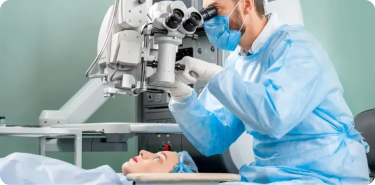
Cataract is a common age-related eye condition in which the natural lens of the eye becomes cloudy, leading to blurred or hazy vision.